If you are selling in Cupertino, you are not just listing a house. You are presenting a lifestyle that needs to make sense fast for busy buyers comparing homes online and thinking hard about commute, layout, and daily function. In a premium, competitive market, the homes that stand out are usually the ones that feel easy to understand and easy to live in. Let’s dive in.
Why tech buyers think differently
Cupertino sits in the heart of Silicon Valley, with about 64,000 residents in a 13-square-mile city known for innovation and major technology employers, including Apple. That context matters because many buyers are not only shopping for square footage. They are also evaluating how a home fits work routines, hybrid schedules, and access to major job centers.
Buyer behavior supports that idea. Recent national data shows convenience to a job strongly influences neighborhood choice for younger buyers, especially those in the age groups that make up a large share of move-up and professional households. In Cupertino, that means your home should be positioned around practical daily use, not just visual appeal.
Lead with commute convenience
For many Cupertino buyers, commute access is a top selling point. The city offers access to Interstate 280, State Route 85, Lawrence Expressway, Foothill Expressway, VTA bus routes, and the SV Hopper connection to Caltrain stations in Sunnyvale, Mountain View, and Santa Clara. Mineta San Jose International Airport is also about 10 miles away.
That does not mean every listing should read like a transit guide. It means your marketing should clearly explain how the location supports flexibility for office days, hybrid work, airport travel, and cross-Valley movement. Buyers relocating from elsewhere in the Bay Area or out of the area may not know the local road and transit network, so clarity helps.
What to highlight in your listing
- Proximity to I-280 or SR-85
- Easy access to major expressways
- Nearby VTA bus service
- SV Hopper connection options
- Reasonable access to Caltrain stations
- Convenience for airport trips and regional travel
The key is to be specific and factual. Instead of generic phrases, describe the practical access points that help a buyer picture daily life.
Show a clear work-from-home setup
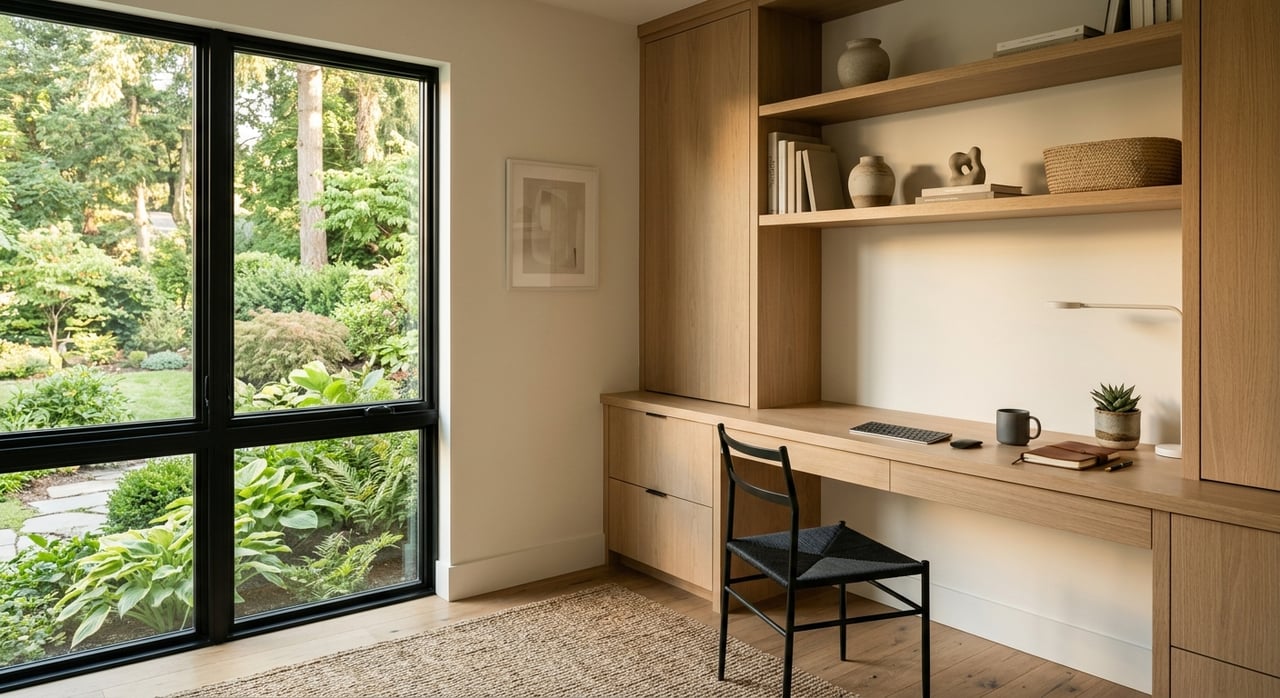
A dedicated work area can make a strong impression. Buyers increasingly want at least one in-home office, and practical use of space tends to matter more than dramatic features that look impressive but do not add everyday value.
If your home has a bedroom, loft, den, or landing area that can function as a workspace, define it clearly before photos are taken. A desk, good lighting, and a clean background can help buyers immediately understand how the space works. In a high-cost market, useful square footage often reads better than flashy square footage.
Simple ways to stage a work zone
- Add a desk and supportive chair
- Use neutral decor with minimal clutter
- Show strong natural or task lighting
- Keep cords and equipment tidy
- Make the room feel quiet and purposeful
Even if the space is compact, a clearly staged office nook can help your home feel more functional and current.
Emphasize efficiency over excess
In an expensive market, buyers often make tradeoffs. Research shows many are willing to accept a smaller house or smaller lot in exchange for homeownership. That makes efficient layouts and low-maintenance outdoor areas more appealing than features that feel oversized but not especially useful.
If your home uses space well, make that a core part of the story. A smart floor plan, good storage, and outdoor areas that are attractive without heavy upkeep can resonate with buyers who want a polished home that supports a busy schedule.
Features that often appeal
- Flexible rooms with more than one use
- Open living areas with clear flow
- Simple, manageable yards or patios
- Good storage and built-in organization
- Updated finishes that reduce near-term projects
This kind of positioning helps buyers see value beyond raw size alone.
Bring energy-efficient features forward
Technology-minded buyers often appreciate features that improve convenience, comfort, safety, and energy efficiency. Buyer research also shows strong interest in energy-efficient homes, with many buyers willing to pay more for them.
If your home has smart thermostats, updated windows, efficient HVAC, improved insulation, EV charging capability, smart lighting, security features, or energy-saving appliances, do not bury those details deep in the listing. Put them in the first round of photos and in the main property remarks so buyers catch them right away.
Tech-friendly details worth mentioning
- Smart home controls
- Energy-efficient systems or appliances
- EV charging setup
- Reliable internet work areas
- Security and access features
- Low-maintenance, modern upgrades
These features support the kind of daily convenience many Cupertino buyers value.
Build the listing for online decision-making
Most buyers start online, and many search on a mobile device or tablet. Photos rank among the most useful listing tools, while detailed property information and floor plans also matter. Virtual tours are part of how many buyers narrow options before they ever schedule a visit.
That means your listing launch needs to be digitally polished from day one. In Cupertino, where homes move in a competitive seller environment, buyers may decide very quickly whether your property makes the shortlist.
Use a complete digital marketing package
A strong launch should make the home easy to evaluate at a glance and easy to explore in more depth. That is especially important when buyers are comparing several homes in a short time.
Your launch checklist
- Professional photography
- Clean, accurate floor plan
- Virtual tour or Matterport-style walkthrough
- Clear property description
- Room-by-room functionality notes
- Commute and access highlights
- Key upgrades listed early
- Showing logistics fully ready
This approach fits both buyer behavior and the Cupertino market. It also aligns with how a premium home should be presented when expectations are high.
Price for attention, not guesswork
Cupertino remains a premium seller's market. Recent market data shows a median listing price of about $2.888 million, a median sold price of $3.16 million, 104 active listings, a median 28 days on market, and a 105% sale-to-list ratio. Those numbers point to strong demand, but they do not mean every pricing strategy will work.
The best pricing posture is usually market-accurate and launch-ready. A home that is overpriced at the start can lose momentum, especially when buyers are scanning new listings online and deciding quickly which homes deserve a visit.
Smart pricing principles
- Base price on current Cupertino competition
- Compare against recent local buyer behavior
- Match pricing to condition and presentation
- Avoid launching before prep is complete
- Aim to capture early attention
In a fast-moving market, the first impression often carries the most weight. Strong prep and realistic pricing usually work better than testing the market with an unfinished strategy.
Timing matters, but readiness matters more
Seller research shows some weeks attract more views and faster sales than others. Still, for Cupertino homeowners, the bigger takeaway is not to chase a calendar date at the expense of quality.
If your photos are not done, the floor plan is missing, or showing logistics are unclear, it is usually better to wait. Buyers expect a smooth, polished launch, especially at Cupertino price points. Going live too early can cost more than waiting a few extra days to get it right.
Tell a simple, compelling story
The best Cupertino listings aimed at tech buyers usually share the same core message. They present the home as commute-aware, workspace-ready, digitally polished, and easy to understand.
That story should carry through every part of the launch, from staging and photography to pricing and property remarks. When buyers can quickly see how the home fits their daily routine, the listing becomes more persuasive.
How Rajiv Kohli can help
Selling to a Cupertino buyer pool takes more than putting a home on the market. It takes local judgment, precise positioning, premium digital presentation, and a launch plan built to capture attention early.
With deep South Bay experience and a high-touch, full-service approach, Rajiv Kohli helps sellers prepare, position, and market their homes for today’s buyers with clarity and confidence.
FAQs
How should a Cupertino home listing appeal to tech buyers?
- Focus on commute convenience, a functional work-from-home setup, efficient layout, energy-saving or smart-home features, and a polished online presentation.
Why does commute access matter when selling a home in Cupertino?
- Buyer research shows convenience to work is a major factor for many younger buyers, and Cupertino offers access to I-280, SR-85, expressways, VTA routes, and SV Hopper connections to Caltrain stations.
What home features matter most to many Cupertino tech buyers?
- A dedicated office or flexible workspace, practical floor plan, low-maintenance outdoor space, and technology or energy-efficiency upgrades often stand out.
Should sellers include a floor plan and virtual tour for a Cupertino listing?
- Yes. Buyer behavior data shows photos, detailed property information, floor plans, and virtual tours help buyers evaluate homes online before scheduling showings.
How should a Cupertino seller price a home for strong early interest?
- Price should reflect current local market conditions, the home’s condition, and nearby competition so the listing can attract attention quickly rather than rely on later price adjustments.