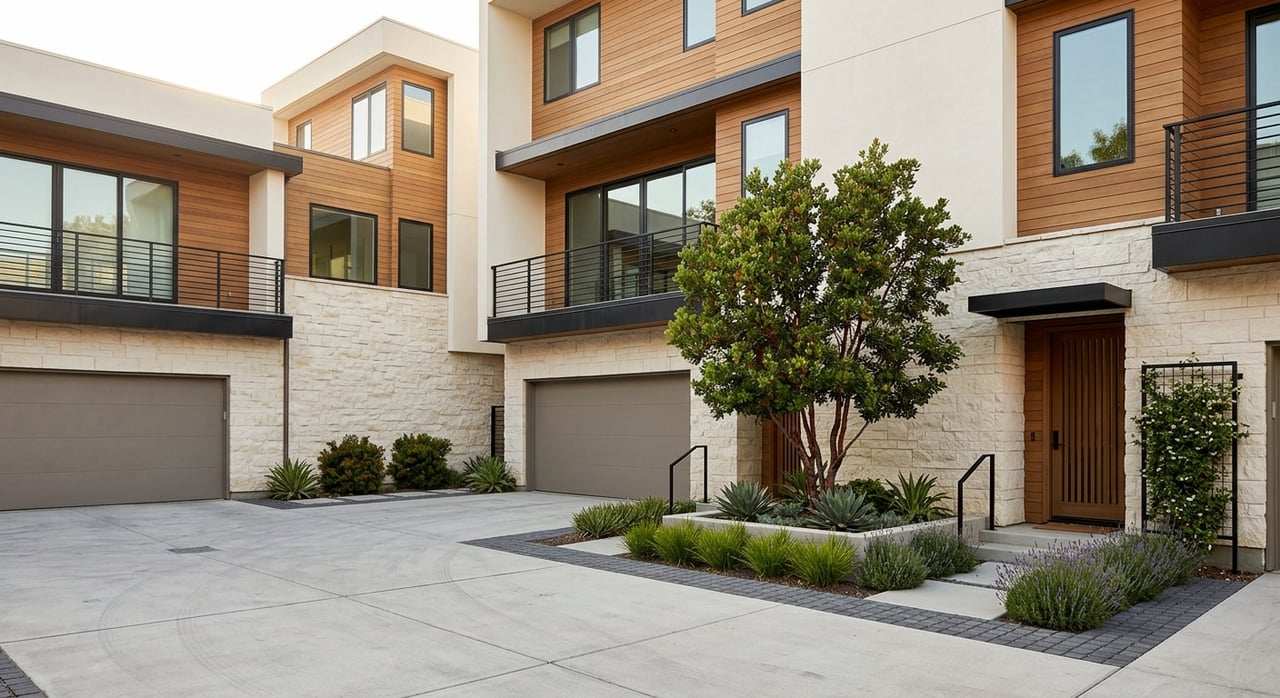
Buying in Cupertino without a detached-home budget can feel like trying to squeeze into one of the Bay Area’s tightest markets. If you want to own here, you are probably weighing price, competition, HOA rules, and long-term resale all at once. The good news is that condos and townhomes often create a more realistic path into Cupertino, especially when you know what to compare before you make an offer. Let’s dive in.
Why condos and townhomes matter in Cupertino
Cupertino remains a very competitive market. As of Redfin’s May 2026 data, homes average about four offers, sell in around 10 days, and the citywide median sale price is $3.23 million.
That price point puts many detached homes out of reach for buyers who still want to live in Cupertino. Current market listings show condos with a median listing price of about $998,000 and townhomes with a median listing price around $1.3 million, making attached homes one of the main lower-entry-price options in the city.
The city of Cupertino describes itself as home to Apple and notes its public-school reputation. For many buyers, that combination of location, employment access, and local demand is exactly why condos and townhomes stay competitive here.
Condo vs townhome in California
Legal ownership matters most
In California, the label on a listing does not always tell the full story. The California Department of Real Estate says the legal form of ownership matters more than whether a property looks like a house, duplex, or apartment.
In a condominium, you usually own the individual unit and a shared interest in common areas. In a planned development, which many townhomes fall under, you may own the home or lot while sharing use of common areas through the HOA.
Why that difference affects you
This matters because ownership structure can affect maintenance responsibilities, HOA rules, insurance needs, and resale questions. Before you rely on terms like “condo” or “townhome,” you should verify the legal form in the disclosure package and governing documents.
The DRE also notes that many subdivision types are governed by HOAs, CC&Rs, bylaws, and operating rules. In plain terms, what you own and what the HOA controls should be clear before you move forward.
Typical Cupertino price points
Condos offer the lowest entry point
If your main goal is getting into Cupertino at the lowest likely purchase price, condos usually lead the way. Current listings show a median condo listing price of about $998,000.
That lower price often comes with less exterior maintenance responsibility. In many condo communities, the HOA handles common-area upkeep while your separate ownership interest is mainly your unit.
Townhomes offer more house-like features
Townhomes in Cupertino are typically priced higher than condos, with current listings showing a median around $1.3 million. In exchange, buyers often get more interior space and features that feel closer to a detached home.
Current Cupertino townhome listings commonly highlight private patios, backyards, attached garages, and corner-unit layouts. If you want more privacy or a more traditional layout, that extra cost may be worth it.
Single-family homes sit in a different tier
Compared with attached housing, detached homes in Cupertino sit in a much higher price bracket. With the overall median sale price at $3.23 million, the gap is substantial.
That is why many buyers see condos and townhomes not as a compromise, but as a strategic way to buy into Cupertino. For the right buyer, the better question is not whether attached housing is perfect, but whether it gets you the location and lifestyle you want at a workable price.
What buyers commonly see in Cupertino listings
Common condo features
Cupertino condo listings often include features that add convenience and help offset smaller footprints. Current examples commonly show:
- Gated communities
- Private balconies
- Secured buildings
- Elevator access
- In-unit laundry
- Private storage
- Underground or attached parking
Some newer units also offer multiple garage spaces and newer finishes. One current 2023-built condo listing notes two garage spots and a $429 HOA, which shows how features and monthly costs can vary from project to project.
Common townhome features
Townhomes in Cupertino often appeal to buyers who want more outdoor space and a more residential layout. Current listings commonly show:
- Private patios
- Backyards
- Attached garages
- Corner-unit designs
- Community pools
- Tennis courts
- Spas
These features matter because buyers are comparing more than just square footage. Parking, storage, elevator access, outdoor space, and community amenities can all shape day-to-day livability and future resale appeal.
HOA documents deserve close attention
What sellers must provide in 2026
If you are buying in a common interest development, California law now requires a broad resale packet. Effective January 1, 2026, Civil Code 4525 requires sellers to provide governing documents, current assessment information, unresolved violation notices, board-approved assessment changes that are not yet due, rental-restriction statements if applicable, requested open-session board minutes from the prior 12 months, and the most recent exterior elevated elements inspection report required by Civil Code 5551.
That is a lot of paper, but it gives you real insight into how the association operates. It can also reveal issues that may affect your budget or comfort level after closing.
Review the budget and reserves
The HOA’s annual budget report is especially important. Under Civil Code 5300, it must include a reserve summary, reserve funding plan, any anticipated special assessments, an insurance summary, and FHA or VA approval status for condominium projects.
If reserves are thin or a special assessment is likely, your monthly cost of ownership may be very different from what the list price suggests. Strong reserves and clear financial planning can also make a project more attractive to future buyers.
Read the policy statement and rules
The annual policy statement required by Civil Code 5310 covers collection policies, discipline procedures, dispute resolution, and physical-change approval rules. These documents help you understand how strict or flexible the association may be.
You should also read the CC&Rs carefully. The DRE describes CC&Rs as private restrictions that run with the land, which means you inherit them when you buy.
Building condition can affect risk and resale
Reserve studies and inspections matter
For long-term building health, California requires reserve studies at least every three years under Civil Code 5550. Civil Code 5551 also requires condominium projects to inspect exterior elevated elements like balconies, stairways, and walkways at least every nine years.
That inspection report must describe current condition, expected future performance, remaining useful life, and repair recommendations. In practical terms, it can help you spot whether a project is proactively maintained or heading toward larger repair costs.
Ask smart questions during due diligence
When reviewing a Cupertino condo or townhome, it helps to ask questions like:
- What exactly do you own versus what the HOA maintains?
- How well funded are the reserves?
- Are there any expected special assessments?
- What does the latest inspection report say?
- Are there unresolved violations or recurring maintenance concerns?
- Is the project financing-friendly for future buyers?
These questions are not just about avoiding surprises now. They also help you judge how easy the home may be to resell later.
Rental rules are worth checking early
If rental flexibility matters to you, do not assume you can rent the property freely in the future. Civil Code 4740 limits some newer rental restrictions after purchase, but that does not mean every property works the same way.
The safest move is to read the CC&Rs and rental-restriction disclosures closely before you commit. If you think your plans may change in a few years, this step is especially important.
Resale potential in Cupertino
Cupertino has several factors that support buyer demand. The city says it is home to Apple and located on Silicon Valley’s western edge, and its public materials note that it is known for excellent public schools. Apple Park is in northeastern Cupertino near Sunnyvale and Santa Clara.
Redfin market data also points to strong competition, with multiple offers common and many homes selling above list price in about 10 days. For attached homes, that can support resale, but not all projects will perform the same way.
Well-maintained condos and townhomes may be easier to position for resale when buyers can see sensible HOA dues, clear maintenance history, solid reserve funding, useful parking and storage, and financing-friendly project status. Those details show up in the very documents today’s buyers are expected to review closely.
How to choose the right attached home
A good Cupertino purchase is not just about getting under a certain budget. It is about matching the property type to how you actually live and what you may need later.
A condo may make sense if you want the lowest entry point and less exterior maintenance. A townhome may be a better fit if you want more space, a garage, or outdoor areas that feel more private.
The key is to look beyond bedroom count and finishes. You should understand what you own, what the HOA controls, how healthy the project is, and whether the property will still make sense if your needs change in three to five years.
In a market as competitive as Cupertino, that kind of clarity can help you move faster and make a stronger decision with less stress. If you want practical guidance on evaluating condos, townhomes, and resale risk in Cupertino, connect with Rajiv Kohli for a personalized consultation.
FAQs
What is the difference between a Cupertino condo and a Cupertino townhome?
- In California, the main difference is legal ownership. A condo usually means you own the unit plus a shared interest in common areas, while many townhomes are part of planned developments where you may own the home or lot and share community areas through the HOA.
What is the typical price range for condos and townhomes in Cupertino?
- Current Cupertino listings show a median listing price of about $998,000 for condos and about $1.3 million for townhomes, while the citywide median sale price across all home types is much higher at $3.23 million.
What HOA documents should Cupertino attached-home buyers review?
- You should review the resale packet, including governing documents, assessment information, violation notices, board minutes if requested, rental-restriction statements if applicable, budget reports, reserve information, insurance summary, and the latest exterior elevated elements inspection report.
Why do HOA reserves matter when buying a Cupertino condo or townhome?
- Reserve funding helps show whether the association is planning for future repairs. Stronger reserves can reduce the risk of surprise special assessments and may support smoother resale later.
What features are common in Cupertino condo and townhome listings?
- Condos commonly show balconies, secured access, elevators, storage, in-unit laundry, and parking, while townhomes often include patios, backyards, attached garages, and community amenities like pools, tennis courts, and spas.
Are Cupertino condos and townhomes good for resale?
- Resale potential can be strong in Cupertino because the market is competitive, but project quality matters. Buyers often look closely at reserves, dues, maintenance history, parking, storage, and financing-friendly project status when deciding how attractive a home is.