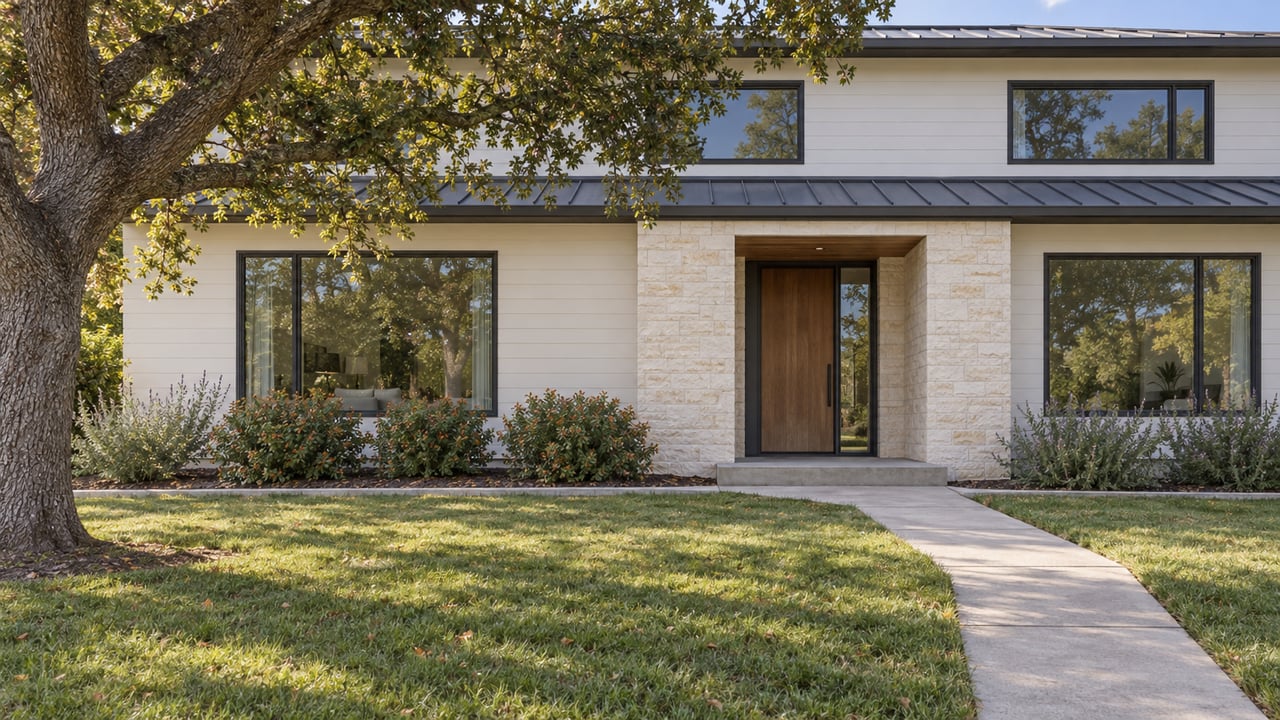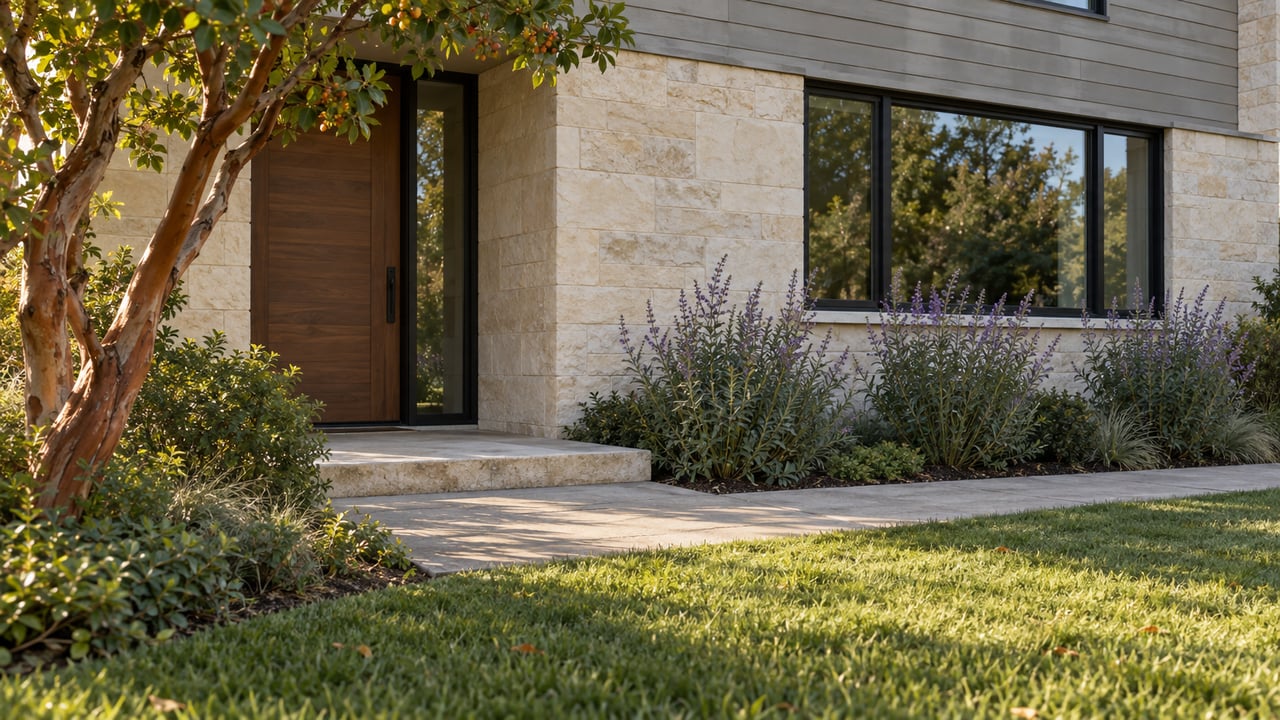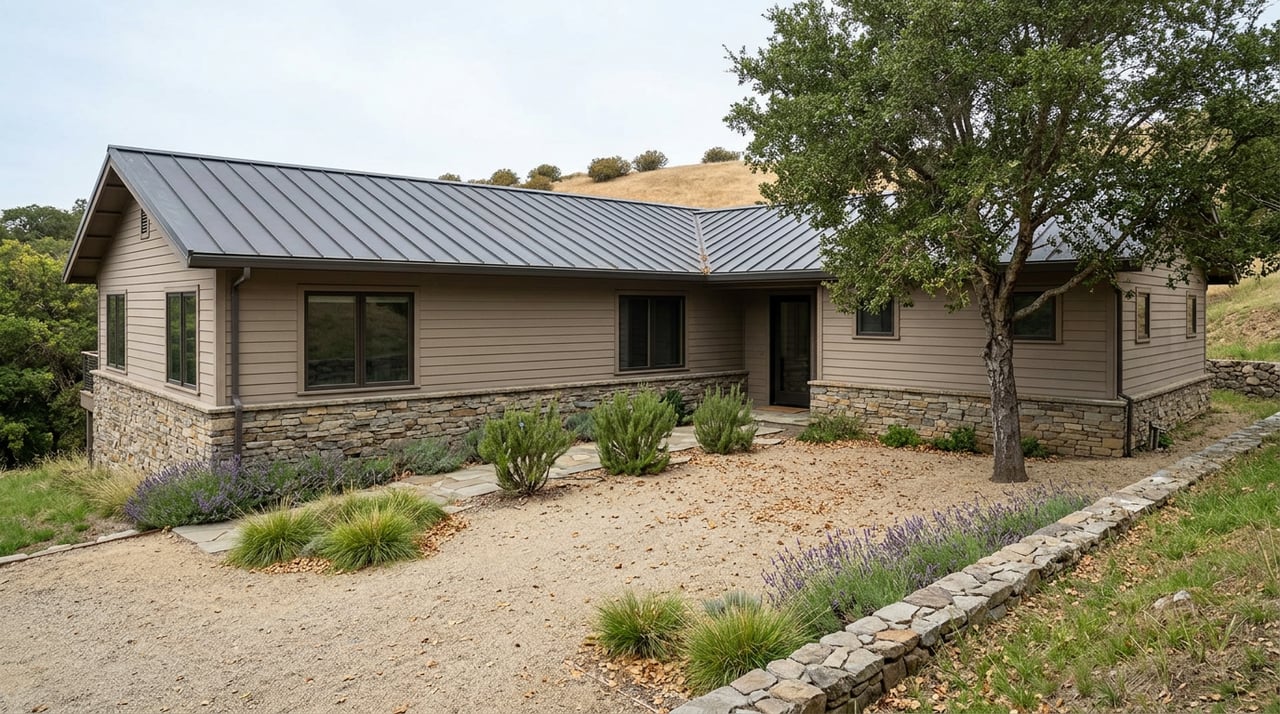
Drive up Pierce Road or Congress Springs Road on a September afternoon and the oak canopy closes in fast. Ranch homes and remodeled hillside estates sit back from the road under bay laurel and coast live oak, the kind of tree cover that makes Saratoga's western foothills feel like a retreat from the valley floor below. It is also the exact fuel profile that put much of that hillside on California's Very High Fire Hazard Severity Zone map, and it is why wildfire preparation can affect a Saratoga hillside sale.
For homes in these zones, defensible-space documentation is part of the sale-preparation process. Most sellers know this in the abstract. What catches people off guard is the timing. According to California Civil Code section 1102.19, the compliance report is only good for a limited window, and if you schedule the inspection more than six months before your home goes under contract, the report may be too old when the sale agreement is signed. In a hillside market where prep work, staging, and photography often stretch out over weeks, that six-month clock is easy to start too soon and forget about entirely.
Why This Hits Saratoga Harder Than Most of the County
Saratoga is one of six communities in Santa Clara County with zones designated Very High Fire Hazard Severity by CAL FIRE, according to the city's own fire prevention page. That designation is not scattered across a handful of remote parcels. The Wildland-Urban Interface the city has mapped predominantly covers the western hillsides, which is a large share of the neighborhoods that give Saratoga its identity: Bohlman Road, Mount Eden Road, the upper reaches of Pierce Road and Congress Springs Road, and the estate parcels that back up to Sanborn County Park and the Monte Bello Open Space Preserve.
Many of these hillside streets are also single-lane roads, which matters for two reasons that rarely get connected. The first is obvious: evacuation and fire truck access share the same narrow path. The second is less obvious and more relevant to a home sale. Terrain that channels fire uphill through steep canyons is exactly the terrain state fire officials use to justify the strictest hazard classification, which means the inspection requirement is not a bureaucratic footnote for these addresses. It is close to universal.
Residents do not need a map to understand why. The 2020 CZU Lightning Complex fire burned roughly 86,500 acres in the Santa Cruz Mountains, close enough that homes at higher elevations in Saratoga's foothills watched the fire line and went through evacuation warnings. That kind of recent, direct memory is part of why the city adopted a Community Wildfire Protection Plan in December 2024 and updated its Safety Element in March of that same year. The regulatory apparatus around defensible space in Saratoga did not appear out of nowhere. It followed a fire that got close enough to feel personal.
What the Inspection Actually Requires
The state law behind this, commonly referred to as AB-38, has been in effect since July 1, 2021. CAL FIRE's own guidance is direct about what it means for a sale.
Once your property sits in a mapped high or very high fire hazard zone, you generally cannot legally close escrow without proof that a defensible space inspection was passed. A limited exception for properties that still do not pass after a second inspection is discussed below.
In Saratoga, that inspection is generally conducted through the Santa Clara County Fire Department, which provides fire protection services to the city. An inspector walks the property, checks vegetation clearance and spacing against Public Resources Code 4291 standards, and documents whether the home passes. If it does, the seller gets a compliance document to include in the disclosure package. If it does not, the inspector provides a written list of deficiencies.
That is where the sequencing problem shows up. Passing the inspection is only part of the task; sellers also need to coordinate the report's validity window with the sale agreement. Sellers who treat the inspection as a one-time box to check months before listing may find themselves arranging a fresh inspection just as negotiations are coming together.
The Ordinance Change That Just Reset the Playing Field
Saratoga updated its tree removal rules effective March 6, 2026, and the change directly affects how sellers can prepare for this inspection. Under the new rule, a homeowner can remove a tree within five feet of the home anywhere in the city as part of creating defensible space, with a permit still required but without the old public notification and appeal process that used to slow things down. In the Wildland-Urban Interface specifically, Saratoga also regulates tree removal; permits are free for dead or fallen trees, Monterey pine, and blue gum eucalyptus, as the City’s Fire Prevention page explains.
For a seller trying to clear a defensible space inspection before listing, this is a meaningfully faster path than what existed a year ago. It also means a buyer walking a hillside property in the second half of 2026 may notice recently cleared vegetation that would not have been legal to remove this quickly before March. That is worth mentioning in disclosures proactively rather than letting a buyer's inspector ask about it first.
Getting Ahead of a Failed Inspection
The Santa Clara County FireSafe Council offers a free Home Ignition Zone inspection to property owners in the Wildland-Urban Interface, where a trained representative walks the property for up to an hour and shares specific recommendations before you ever schedule the official state-mandated inspection. Sellers who use this as a pre-check, rather than going straight to the formal AB-38 inspection, tend to avoid the delay of a failed first attempt and a second scheduling round.
The council also administers rebates that make sense to use before listing rather than after a buyer's inspection flags a problem:
- Up to $10,000 in rebates for installing a Class A roof and multi-pane, tempered glass windows in the Wildland-Urban Interface
- Free chipping for vegetation cleared to establish defensible space
- Coaching for neighborhoods pursuing Firewise Community status, which some insurers recognize with discounts
None of this is required reading for a seller in the flats of Saratoga. For a seller on one of the mapped hillside streets, it is the difference between walking into the official inspection prepared and walking in blind.
If the Property Doesn't Pass
The process when a home fails the first inspection follows a predictable sequence, and knowing it in advance saves real time on a listing timeline:
- The inspector documents the specific deficiencies in writing and provides them to the seller or the seller's agent.
- If the property still does not meet standards after a second inspection, state law allows the seller and buyer to enter a written agreement in which the buyer takes on responsibility for completing compliance work within one year of closing escrow.
That agreement exists as a release valve, not a shortcut to lean on by default. Buyers in a competitive hillside listing are less likely to accept a compliance obligation they did not create, and a seller who leads with a passed inspection is negotiating from a stronger position than one who is asking a buyer to inherit the paperwork.
What This Means If You're Planning to List
The practical takeaway for anyone on Bohlman, Mount Eden, upper Pierce, or Congress Springs Road is to treat the defensible space inspection as a scheduling decision tied to your actual listing date, not a task to knock out whenever the calendar happens to be open. Start with the free FireSafe Council walkthrough early enough to correct anything it flags. Time the formal inspection so the report is no more than six months old when a sale agreement is signed. And if the March 2026 tree ordinance means you are clearing vegetation that was not legal to remove a year ago, get ahead of that question in your disclosures instead of waiting for a buyer's inspector to raise it first.
Frequently Asked Questions
Does every home in Saratoga need this inspection? Only properties within mapped High or Very High Fire Hazard Severity Zones, which in Saratoga concentrate in the western hillside neighborhoods rather than the flatter areas closer to the village. Your address determines whether the requirement applies, not the city limits as a whole.
Who pays if the property doesn't pass? State law does allow the seller and buyer to sign an agreement transferring that responsibility to the buyer after closing, but that shifts negotiating leverage and is generally a fallback rather than a plan.
If you own a hillside property in Saratoga and you're thinking about a fall or winter listing, the time to schedule your FireSafe Council walkthrough is now, not the week you plan to sign a listing agreement. Rajiv Kohli works with Saratoga sellers through exactly this kind of local procedural detail, from timing the defensible space paperwork correctly to positioning the disclosure package so buyers see preparation, not a problem. Reach out for a consultation before you set a listing date.
This article is general information, not legal, tax or financial advice. Consult a qualified professional about your situation.